



Fivethingstoconsiderwhencreatingavideocasestudy
JUNE 23, 2026 BY Tim Walsh
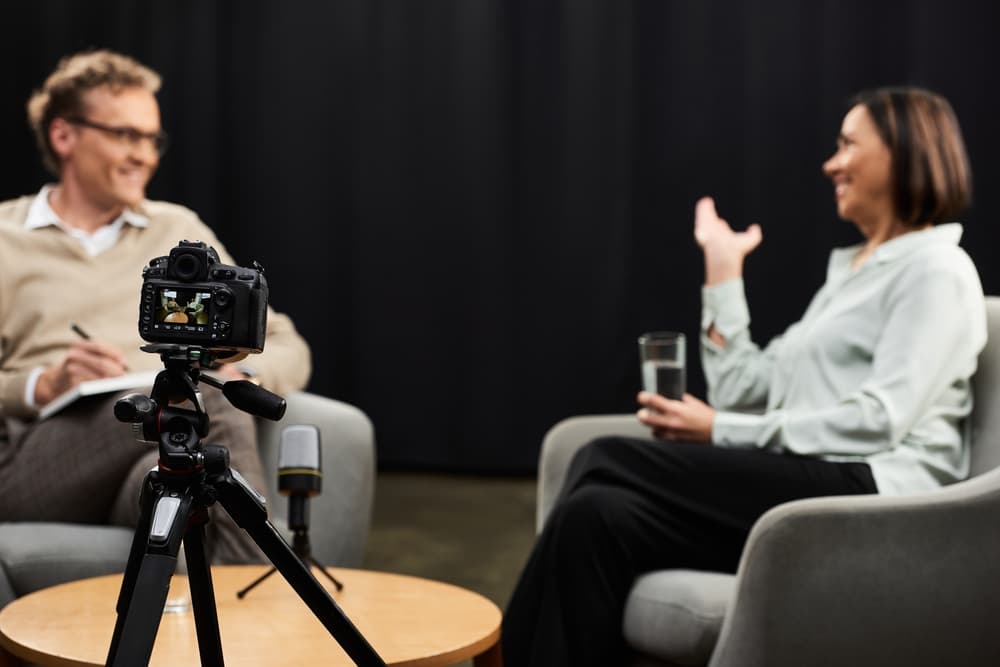
A video case study being recorded
A well-made video case study is one of the most persuasive pieces of content a business can produce. It puts a real person in front of your audience, telling a story that no brochure or blog post can fully bring to life. And when it is done well, it helps your brand to build trust, demonstrate tangible results and give potential clients a reason to believe you can do the same for them.
The challenge with this tactic is to make that valuable human connection between interviewee and viewer. Recordings can feel too polished and corporate to feel credible, sometimes, or at the other end of the scale, a little too rough and ready to impress the viewer. Getting it right does take preparation and it's time well spent. A video case study, showing someone waxing lyrical about what you do, can be a seriously effective weapon in your marketing arsenal.
Here, then, are five things to consider before the camera rolls.
1. Choose the right client
The most important decision you make is who to feature. A strong case study subject is someone who can speak clearly and with conviction about the difference your work made to their organisation. They need to be comfortable on camera and at ease talking about their experience. And the story they tell needs to be relevant to the audience you are trying to reach.
2. Prepare, but do not over-script
The most compelling video case studies feel like a conversation rather than a rehearsed presentation. That means giving your subject the framework of what you want to cover – ie. the challenge they faced, what you did together and what changed as a result – without handing them a script. Scripts produce stiff, unconvincing performances.
A framework, with a question set sent to the interviewee before the recording, is more effective at producing natural, credible ones. A briefing call ahead of filming may also be time well spent. Talk through the story together, agree on the key points you want to land, and let them find their own words on the day.
3. Get the story structure right
Every strong case study follows the same essential arc: a problem the audience recognises, a solution that feels considered and credible, and an outcome that demonstrates real impact. That structure works because it mirrors the way your potential clients think about their own challenges.
The temptation is to spend too long on the solution, on what you did and how you did it. Resist that. The problem and the outcome are where the emotional weight of the story sits. If your audience sees themselves in the challenge your client describes, and believes in the results that followed, the work in the middle takes care of itself.
4. Think about production values – but keep perspective
Production quality matters, but not in the way people sometimes assume. You do not need a broadcast crew and a full studio day to make something that works. What you do need is decent sound, good lighting and a location that feels appropriate to the story you are telling.
Poor audio can lose your viewer. People will tolerate an imperfect picture far more readily than they will tolerate audio that is difficult to follow. If the budget is limited, spend it on sound first.
Location also deserves thought. Filming in an environment relevant to the client's work – on site, in their office or in a setting that reflects their sector – adds context and credibility that a blank studio backdrop cannot provide.
5. Plan how you will use it
A video case study is an asset, and like any asset it should work as hard as possible. Before you go into production, be clear about where the finished piece will live and how it will be distributed. The answers to those questions should shape decisions about format, length and edit.
A two-minute film works well on a website or in a sales conversation. A 60-second cut is better suited to social media. Capturing enough footage to produce both, without filming two separate projects, is straightforward with a little forward planning. Similarly, the transcription from your filming day is a ready-made source of quotes for written content, and still images from the shoot can extend the life of the asset further still.
The goal is a piece of content that earns its place in your marketing for months, and in some cases years, after the day it was filmed.
Talk to us
Branagh PR are specialists in creating human-centred content. Our video case studies have been used successfully by clients to win business. To find out more about how we can help you with your video case study, contact us at contact@branaghpr.com